High-frequency wireless electric bus cuts CO2 by 40 to 60%





The remotely chargeable bus WEB-3 Advanced and two other medium-sized buses developed under the same concept were test driven in Kawasaki City and the Haneda Airport area. In comparison to diesel buses, the electric buses cut CO2 by 40% on the road and 60% on highways.
03/22/2017

A research group with Professor Yushi Kamiya (Faculty of Science and Engineering) and Toshiba Corporation tested electric buses equipped with high-frequency wireless charging technology and lithium ion battery on their CO2 emissions.
The remotely chargeable bus WEB-3 Advanced and two other medium-sized buses developed under the same concept were test driven in Kawasaki City and the Haneda Airport area from February 2016 to January 2017. In comparison to diesel buses of the same size, the electric buses cut CO2 by 40% on the road and 60% on highways.

Waseda University and Toshiba Corporation were selected to develop an electric bus as part of the Ministry of the Environment's Low Carbon Technology Research and Development Program. Development began in FY 2014 and finished in FY 2016.
Waseda will continue its research on electric buses and their implementation.
Concept
Waseda began research and development on the Waseda Electric Bus (WEB) in FY 2014. WEB is a unique short-distance, high-frequency chargeable electric bus designed to address the challenges of implementing electric vehicles by minimizing the cost, size and weight of its batteries. The bus is equipped with a new electromagnetic resonance wireless charger apparatus developed by Toshiba Corporation that allows its operators to charge the bus quickly, safely and effectively. WEB's research and development has made it possible to reduce an electric vehicle's initial costs and curb weight while maintaining adequate vehicle space. Furthermore, the research collaboration has made it possible for a driver to charge their vehicle with only the press of a button.
Test goals
The tests, which were conducted on public roads, measured the convenience of the charging process and the vehicle's effectiveness in reducing running costs and CO2 emissions. Both aspects are important considerations for the implementation of electric vehicles. Tests also included microscopic evaluations of the vehicle's impact on natural and driving environments. These test results released to the public are potentially great PR for the new technology, improving awareness and acceptance of the environmentally friendly wireless electric bus.
WEB-3 Advanced specifications
Name: Waseda Electric Bus-3 Advanced (WEB-3 Advanced)
Curb weight/Dimensions/Capacity: 5990kg/L6.99xW2.08xH3.10m/31 passengers
Motor: UQM "PowerPhase145": Maximum output 145kW
Battery: Lithium-ion (TOSHIBA "SCiBTM": 3 parallels 12 series/40kWh/331V)
Wireless charger: TOSHIBA Wireless Charger: 44kW@105mm-gap
Cruising range: Maximum 50km (on public roads with air conditioning turned off)
Electricity consumption: Approximately 1.5km/kWh (on public roads with air conditioning turned off)
本プレスリリースは発表元が入力した原稿をそのまま掲載しております。また、プレスリリースへのお問い合わせは発表元に直接お願いいたします。
プレスリリース添付画像
このプレスリリースには、報道機関向けの情報があります。
プレス会員登録を行うと、広報担当者の連絡先や、イベント・記者会見の情報など、報道機関だけに公開する情報が閲覧できるようになります。
このプレスリリースを配信した企業・団体

- 名称 早稲田大学
- 所在地 東京都
- 業種 大学
- URL https://www.waseda.jp/top/

過去に配信したプレスリリース
早稲田大学×リンクアンドモチベーション共同研究始動、自治体における組織改善の取り組みの効果を検証
10/23 11:00
緊急事態宣言後、若者の精神科受診が増加
10/20 14:00
早稲田大学に「バレエ学際研究所」を設置
10/15 14:00
キラルな一次元ペロブスカイト半導体の理論模型を構築
10/14 14:00

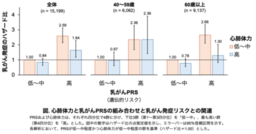
高い心肺体力が遺伝的要因による乳がん発症リスク上昇を抑える可能性
10/14 11:00
超高速180 Gbit/s・低消費電力光送信器を開発
10/13 15:00
生命のエネルギー通貨ATPをつくる「原始的酵素モデル」を構築
10/13 14:00
レジスタンス運動の休息時間の違いは脂質代謝に影響するのか?
10/13 11:00
【早稲田大学】第26回 早稲田ジャーナリズム大賞ファイナリスト発表
9/18 14:00